Howard County public records contain official government documents that reflect county activity, legal cases, property details, and administrative decisions. These records help residents, attorneys, and researchers review verified information maintained by local government departments. Public records Howard County MD include court filings, land records, licensing data, and other official documentation stored across different county offices. The system organizes these records so users can review factual and structured data without confusion. It plays a key role in keeping county operations documented and traceable for public reference.
Howard County maintains its public records system to support open government practices and reliable information sharing. The system collects data from courts, property offices, and administrative departments, then stores it in categorized formats. This structure helps users locate government records such as case files, property ownership details, and official county reports. Many people rely on these records for legal verification, property research, and administrative checks. Overall, the system reflects Maryland’s commitment to structured public recordkeeping and consistent documentation of county-level activities.
What are Public Records in Howard County
Public records in Howard County refer to official documents created or maintained by county departments during daily operations. These documents reflect legal, administrative, property, and civic activity recorded under government authority. Government records howard county court include verified information that supports accountability and public review of county actions. These records may contain court filings, property details, meeting notes, and licensing data. Each entry follows structured rules for documentation and storage, which keeps information consistent across departments and supports reliable record use for reference purposes. This system improves data clarity and retrieval.
How government records are organized and stored
Howard County organizes its record database through departmental systems that separate information by category and function. Each office maintains its own set of files within a structured record management framework. This setup helps maintain order across different types of official records. Digital systems and physical storage both play a role in maintaining the record database. This dual system supports consistency and long-term preservation of county information.
- Court-related files stored under judicial departments
- Property documents managed by land and assessment offices
- Administrative reports kept by county agencies
- Licensing files stored within regulatory departments
Role of county departments in maintaining official data
County departments in Howard County manage different sections of the official records system based on their responsibilities. Each department is responsible for recording, updating, and preserving data related to its operations. This distributed structure helps maintain accuracy across the entire record system. Departments such as courts, property offices, and administrative agencies work together to keep the record database organized. This cooperation supports consistent documentation of county activities and legal processes.
- Recording new official documents as they are created
- Updating existing files with new information
- Preserving archived materials for long-term reference
- Maintaining consistent formatting across record categories
How to Search Howard County Public Records
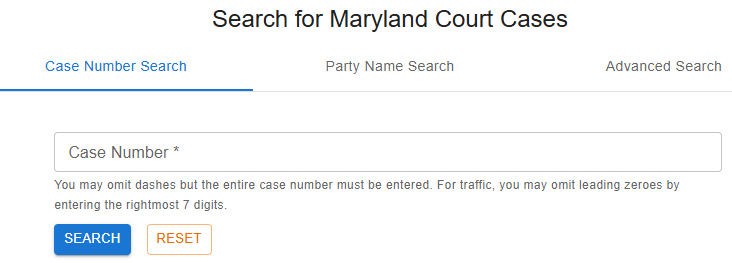
Public access records in Howard County are searched through official Maryland Judiciary systems and county portals. Users start by opening the Maryland Judiciary Case Search system, which serves as the main record retrieval platform for court-related data. The process begins by selecting search type such as name-based search or case number search. Users then enter basic details like full name, business name, or case ID. The system pulls matching entries from the record database and displays available public records tied to Howard County cases.
Official site: http://casesearch.courts.state.md.us/casesearch/
Navigation of county-level online record systems
Howard County record systems are structured in layers, allowing users to move from general search to detailed record view. After entering search data, the system displays a list of matching cases. Each entry can be selected to view more information such as parties involved, filing dates, and case status. This structure supports smooth record retrieval across public records systems. Navigation usually follows this flow:
- Open official site: http://casesearch.courts.state.md.us/casesearch/
- Accept terms and conditions
- Choose search type (name or case number)
- Enter required details
- Filter by Howard County jurisdiction
- Review list of matching results
- Select a case for detailed view
Case search results and record
Search results show summarized case information instead of full legal files. Each record includes identifiers that help users confirm case relevance. These summaries often include party names, court dates, and case type descriptions. Full documents may require a formal request from the clerk’s office if not available online. This separation keeps the online system efficient while preserving official record control. Typical record details include:
- Case number and court location
- Names of involved parties
- Filing and hearing dates
- Case status updates
- Document references (not always full documents)
Information required for accurate record identification
Accurate record retrieval depends on correct input details. The system filters data based on what users provide, so missing or incorrect information may return broad or incomplete results. Public access records systems usually request key identifiers before showing results. These details help the system separate similar names and return precise matches from the official record database.
- Full name of individual or business
- Case number (if available)
- Court type (Circuit or District Court)
- Filing date range (optional filter)
- County selection set to Howard County
Differences between name-based and case-based searches
Howard County systems support two main search methods, each designed for different user needs. Name-based search is broader and returns multiple results linked to a person or business. Case-based search is more precise and focuses on a single legal file using a case number. Both methods pull data from the same official record database but serve different search purposes depending on available information.
- Name-based search
- Wider results list
- Useful for background research
- May include multiple unrelated cases
- Case-based search
- Highly specific results
- Requires case number
- Direct access to one record
Property Ownership and Land Record System in Howard County
Property records Howard County contain official documents that describe land ownership, property boundaries, and legal status of real estate. These files help confirm who owns a property and how it has changed over time. Land records also include deeds, plats, mortgages, and transfer documents that show how ownership moved between parties. These records are maintained in structured formats so they remain consistent and legally valid for public and administrative use. These records create a full legal profile of real estate within Howard County. They support real estate history tracking and help confirm the legal standing of property ownership. They also assist in resolving disputes by providing documented proof of land transactions and ownership changes over time.
- Deed records showing ownership transfer
- Property boundary and plat maps
- Mortgage and lien documents
- Sale and transfer history
- Parcel identification details
Ownership verification and title history details
Ownership verification in Howard County relies on deed records and title history stored in official land record systems. These records confirm who legally owns a property and whether any claims or restrictions exist. Title history shows how ownership has changed through sales, inheritance, or legal transfers. This information is essential for confirming legal rights before any property transaction takes place. Real estate professionals and buyers use this data to confirm property legitimacy before transactions. It helps reduce disputes and supports clear ownership records within the county system. It also provides confidence that the property has no hidden legal issues affecting its transfer or sale.
- Current registered owner name
- Previous ownership transfers
- Legal claims or liens on property
- Date of each ownership change
- Document references tied to transactions
Tax-related property information access
Property records in Howard County also include tax-related details linked to real estate assets. These records help identify how much tax is assigned to a property based on assessed value and classification. Tax data connects directly with property identification numbers for accurate tracking. This system helps both government offices and property owners maintain clear financial records. This information helps property owners understand financial obligations linked to real estate. It also supports government tracking of property taxation across the county. It plays a key role in budgeting, planning, and maintaining fair taxation across different property types.
- Assessed property value
- Annual property tax amount
- Tax parcel identification number
- Payment history status
- Exemption or adjustment records
Role of land record offices in Howard County
Land record offices in Howard County manage, store, and update all official property documentation. These offices maintain both physical records and digital systems that hold property-related data. They also verify submitted documents before recording them in the official system. This ensures that all property information remains legally accurate and properly maintained. These offices act as the central authority for real estate documentation, ensuring all property records remain accurate and properly archived. They also support legal professionals, property buyers, and government agencies in verifying land-related information.
- Recording property deeds and transfers
- Maintaining historical land documents
- Updating ownership and title changes
- Storing maps and parcel information
- Providing certified copies of records
How property records support real estate decisions
Property records play a major role in real estate decisions across Howard County. Buyers, sellers, and professionals use these records to verify legal ownership and review property history before making transactions marriage and divorce records can also be referenced in related legal contexts when determining name changes, ownership transfers, or eligibility issues tied to property rights. They help identify risks such as liens, disputes, or unclear ownership. This reduces uncertainty during property transactions and supports safe decision-making. Real estate professionals depend on these records to make informed decisions. Accurate property data reduces uncertainty and supports safe transactions in the county housing market. It also helps ensure transparency between buyers, sellers, and regulatory authorities.
- Verifying legal ownership before purchase
- Reviewing property history and past sales
- Checking for outstanding liens or claims
- Confirming boundary and parcel details
- Supporting fair property valuation
Civil Case and Court Documentation Records
Government records Howard County related to civil cases are stored in structured court systems that organize legal documents by case type, filing date, and court level. These official records lookup systems keep civil case data in a consistent format so users can review case progress and outcomes clearly. Civil court records are maintained mainly through district and circuit courts, depending on case complexity and financial value. Each record includes identifiers that connect filings, hearings, and judgments under one case file. This structured setup supports clear tracking of civil disputes across the county legal system. These records preserve a full legal timeline of civil matters. They help legal professionals and residents confirm case actions and review documented court activity over time.
- Case initiation filings
- Court motions and responses
- Hearing schedules and outcomes
- Judge orders and rulings
- Final judgment documents
Types of disputes recorded in civil databases and accessing court information
Civil court databases in Howard County store many non-criminal disputes involving individuals, businesses, and organizations. These cases usually involve financial claims, property conflicts, or contract disagreements that require legal resolution. Each dispute is recorded in the official system and tracked through structured filings and hearings. Civil records help maintain transparency in how disputes are resolved within the court process. Accessing court-related public information is done through official Maryland court systems where users can search by name or case number. After entering details, the system shows case summaries including parties, filing dates, and case status. Full documents may require formal requests depending on court rules. This system supports organized public viewing of civil case records while keeping legal documentation properly controlled.
- Contract disagreements between parties
- Property and landlord-tenant disputes
- Personal injury claims
- Debt collection cases
- Small claims court matters
Digital Record Database and Archive
Record database systems in Howard County are built to store government information in structured digital formats. Each department contributes data into a centralized record retrieval system that separates information by category, date, and purpose. This setup allows government offices to maintain consistent digital archives for public and internal use. Civil records, property files, and administrative documents are stored in different digital sections, which helps reduce confusion and improves data handling across departments. This organization supports reliable handling of public data across multiple government offices. It also helps maintain accuracy when records are reviewed or updated.
- Structured storage of official records
- Department-based data entry systems
- Secure classification of sensitive files
- Search-friendly indexing methods
- Standardized record formatting
Categorization of public data
Public data in Howard County is categorized based on function and department responsibility. Each department manages its own section of the record database, which includes legal, property, and administrative records. This separation helps maintain order in large volumes of government information while supporting quick record retrieval when needed. Official record databases are updated regularly as new filings, transactions, and legal actions occur. Departments input changes directly into the system, which keeps records current and consistent. Routine maintenance checks help remove errors, update missing entries, and verify accuracy across the system.
- Court and civil case records
- Property and land documentation
- Licensing and business records
- Administrative and county reports
- Tax and assessment data
Accessibility of archived vs active records
Howard County separates digital records into active and archived categories to manage long-term data efficiently. Active records refer to ongoing cases, current property transactions, or recently updated administrative files. These records are frequently used and updated within the system. Archived records include older documents that are no longer active but still preserved for reference. These may involve closed court cases, completed property transfers, or past government reports. Archived data is stored in long-term digital archives with controlled retrieval systems. This separation helps maintain system efficiency while preserving complete government history for future reference.
- Active records support ongoing legal or administrative use
- Archived records store historical government information
- Active files are updated frequently
- Archived files remain static unless reclassified
- Both categories remain part of the official record database
Legal Access Framework Governing Public Records
Government records Howard County are managed under Maryland public access laws that define how official information can be viewed and shared. These laws support transparency by allowing public viewing of many government documents while keeping certain sensitive data protected. Maryland’s legal framework is built on public access rights that apply to county, state, and municipal records. It sets rules for how agencies must store, maintain, and provide records when requested through official systems. This legal base ensures that Howard County follows consistent rules when handling public record systems. It also helps balance openness with data protection requirements. Maryland transparency laws generally support:
- Public review of government-created documents
- Standardized procedures for record requests
- Defined timelines for response from agencies
- Equal access to non-restricted public data
- Structured handling of official documentation
What information is publicly accessible vs restricted
Public records in Howard County include many types of government documents that can be reviewed through official systems. However, not all information is open for public viewing. Maryland law separates accessible data from restricted content to protect privacy and security interests. This separation helps maintain transparency while protecting private and sensitive information within government records Howard County systems.
- Court case summaries and filings
- Property ownership and land records
- Business licenses and permits
- County meeting notes and reports
- Tax assessment summaries
Restricted or protected information may include:
- Personal identification details in sensitive cases
- Juvenile court records
- Confidential medical or mental health data
- Certain law enforcement investigation files
- Sealed court documents
Conditions under which records are sealed or protected
Some records in Howard County become sealed or restricted based on court orders or legal requirements. Sealing typically occurs when disclosure could affect privacy, safety, or ongoing legal proceedings. Courts decide whether certain documents should remain confidential based on Maryland legal standards. Sealed records are not available through public access systems and require special authorization for viewing. Only authorized parties such as attorneys or court officials may review them under strict conditions.
- Protection of minors involved in legal cases
- Ongoing criminal investigations
- Sensitive family law matters
- Confidential settlements or agreements
- Security-related concerns
Responsibilities of government agencies in record sharing
Government agencies in Howard County are responsible for maintaining, updating, and sharing official records according to Maryland law. Each department manages its own set of documents and must follow standardized procedures when responding to record requests. These agencies also ensure that data is properly classified before being released to the public. These responsibilities help ensure that public records Howard County remain reliable, properly managed, and available through official channels when permitted by law.
- Maintaining accurate and updated record systems
- Processing public record requests within legal timelines
- Protecting restricted or confidential data
- Providing certified copies of eligible documents
- Organizing records for consistent retrieval
Location and Contact Information
Howard County public records are managed through multiple official government offices that handle court files, property records, and administrative documentation. These offices operate under different departments but work together to maintain accurate record systems. Most record services are provided through courthouse locations and county service centers in Maryland. Residents, attorneys, and businesses use these offices for certified documents, case information, and property-related records. Communication is handled through phone, email, and in-person visits depending on the type of request and record needed for review or verification purposes.
Office locations, contact information, and working hours
Howard County record departments operate from official government buildings that serve specific record categories such as civil, criminal, and property documentation. Each office has defined contact channels and service hours for public assistance. These offices manage Howard County public records through structured systems that support document requests, record verification, and official certification services.
- Address: 9250 Judicial Way, Ellicott City, MD 21043 Land Records Office
- George Howard Building: 3430 Court House Drive, Ellicott City, MD 21043
- Contact Information
- Circuit Court Clerk Phone: +1 (410) 313-2111
- Land Records Office Phone: +1 (410) 313-5850
- Email: clerk@mdcourts.gov (court-related inquiries)
- Office Hours
- Monday – Friday: 8:30 AM – 4:30 PM
- Closed on weekends and public holidays
- Limited service availability during court holidays
Frequently Asked Questions
Frequently asked questions about Howard County public records MD help users understand how official government information is organized, searched, and used in real situations. These questions usually focus on record lookup methods, property details, court case tracking, and access rules under Maryland systems. Many users rely on this section to clarify how record databases work and what type of information is available. It also helps explain differences between public and restricted data. This section supports quick answers for residents, professionals, and researchers using official county record systems.
What are public records Howard County MD used for?
Public records Howard County MD are used to review official government information such as property ownership, court cases, and administrative files. These records support legal checks, real estate verification, and background research. Many users rely on them for confirmed details instead of informal sources. They help ensure accurate information in both personal and professional decisions involving county data. These records are maintained by different county departments for structured reporting. They also support accountability in government operations and legal transparency.
How can someone search for government records Howard County?
Government records Howard County can be searched through official online systems such as Maryland judiciary portals or county record databases. Users typically enter a name, case number, or property details to find matching files. The system then shows available records based on the entered information. This process helps organize data and makes record lookup more structured and efficient. Some systems also allow filtering by date or case type. Results may include summaries or detailed document references depending on record availability.
What types of information are included in Howard County public records?
Howard County public records include court documents, property ownership details, land records, business licenses, and administrative reports. These records also contain case summaries, filing dates, and official government actions. Each record type is stored in a structured format so users can review specific information based on their search needs. This system supports consistent record organization. It also helps legal professionals and residents verify official data. Records are updated regularly as new filings and government actions occur.
Are all Howard County records available to the public?
Not all records are fully public. Some government records are restricted due to privacy laws or legal protection rules. Juvenile cases, sealed court documents, and sensitive personal data are usually not available for public viewing. However, most civil, property, and general administrative records can be reviewed through official systems under Maryland transparency laws. Certain documents may require formal requests for release. This balance helps protect privacy while maintaining government transparency.
Why do people use record database systems in Howard County?
Record database systems in Howard County are used to find verified government information quickly. These systems help users check property details, track court cases, and confirm business or legal records. They also support research, legal preparation, and decision-making processes. The structured system makes it easier to retrieve accurate public data from official sources. It reduces confusion by organizing large amounts of information. These systems also improve efficiency in government record handling and public service delivery.