Howard County Circuit Court serves as a key trial-level court that handles major civil and criminal matters within the county. It stands as an important part of the Maryland judicial structure, where serious cases are heard under formal legal procedures. This court deals with disputes that require full hearings, evidence review, and judicial decisions. It works under the broader Maryland circuit court system, which organizes courts across all counties to maintain consistency in legal proceedings and case handling under state law. It also supports public trust by maintaining structured courtroom processes and recorded case outcomes. The court further helps maintain order in complex legal situations that cannot be resolved at lower court levels.
Within the state court system Maryland, the circuit court holds higher trial authority compared to district courts. It manages complex civil disputes, felony criminal cases, and jury trials that demand detailed legal evaluation. Through its judicial authority, it supports structured legal dispute resolution and ensures fair outcomes in significant cases. The court also handles appeals from lower courts, making it a central part of Maryland’s legal system and strengthening the overall justice framework across Howard County and beyond. It plays a key role in maintaining balance between local and statewide judicial responsibilities. Its decisions often set important precedents for future legal proceedings within the state.
What are the Function of Howard County Circuit Court
Howard County Circuit Court functions as a high-level trial court that handles serious legal matters within Maryland’s judicial system. It holds broad authority over major civil disputes, felony criminal cases, and family law matters that require formal court hearings within the howard county court system. Its role is defined by structured court jurisdiction, allowing it to manage complex cases that go beyond lower court limits. This court supports fair legal review through evidence examination, witness testimony, and judicial decision-making under Maryland law. It also maintains legal order by ensuring each case follows proper procedural rules. These functions help strengthen public confidence in the court system.
Types of Cases and Court Jurisdiction
The court handles multiple case categories including civil litigation, criminal trials, equity matters, and domestic relations cases. In felony cases Maryland, it conducts full jury trials and issues final rulings based on state law. Compared to district courts, the circuit court has higher trial jurisdiction and manages more complex legal disputes. This structure ensures high-level case handling and strengthens judicial responsibility Maryland by maintaining order, consistency, and fairness in serious legal proceedings. It also plays a key role in resolving disputes that require detailed legal interpretation and evidence evaluations
- Felony criminal trials
- Civil litigation involving high-value claims
- Family law matters such as custody and divorce
- Equity cases involving non-monetary remedies
- Appeals from district court decisions
- Jury trials requiring full judicial proceedings
How to Case Search in Howard County Circuit Court
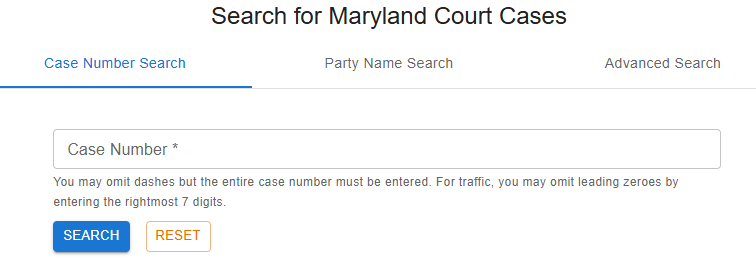
Case records in the Howard County Circuit Court are managed through the official Maryland Judiciary Case Search system. This platform allows users to find civil and criminal case details using names, case numbers, or docket information. It supports public court records Maryland access and helps users track hearings, filings, and case status through a structured legal database. The system is regularly updated to reflect the most recent court activities and decisions. It also ensures transparency by making essential case information available to the public in a consistent format.
Official Website: http://casesearch.courts.state.md.us/casesearch/
Open the Official Portal
- Visit the Maryland Judiciary Case Search Official website: http://casesearch.courts.state.md.us/casesearch/
- This is the main court database access system for all Maryland circuit courts, including Howard County.
Select Search Type
This helps narrow down the legal record search results. Choose one of the available search options:
- Party Name Search (most common)
- Case Number Search
- Advanced Filters (court type, date range, status)
Enter Case Details
The system uses these inputs to match records in the case tracking system. Input required information:
- Full or partial name of person or party
- Case number (if available)
- Optional filters like county or case type
Review Search Results
Clicking a case opens full hearing record lookup details. A list of matching cases appears, showing:
- Case number (docket number)
- Case type (civil, criminal, family)
- Filing date
- Case status
Check Case Docket Information
This supports accurate docket search system tracking. Inside the record, users can view:
- Court hearings and scheduled dates
- Judge assignments
- Filed motions and updates
- Final judgments or pending actions
Understand Case Limitations
These limits follow Maryland court privacy rules. Some records may not appear due to:
- Juvenile case restrictions
- Shielded or sealed records
- Expunged criminal cases
In-Person Record Retrieval
For official copies or detailed files, users can visit the Howard County Circuit Court Clerk’s Office. This method is useful when online data is limited or incomplete. Staff can assist with:
- Certified case copies
- Archived records
- Physical file inspection
Jurisdictional Authority and Case Classification in Circuit Court
Howard County Circuit Court holds wide court jurisdiction that covers major civil, criminal, and family matters within Maryland’s judicial framework. It functions under the Maryland circuit court system, which assigns trial authority for serious legal disputes that require formal hearings and judicial rulings. The court manages cases that involve complex evidence, jury trials, and legal interpretation. Its jurisdiction defines clear legal authority boundaries, separating it from lower courts and ensuring proper case categorization across Maryland courts.
Scope of Civil, Criminal, and Family Jurisdiction
The court handles civil criminal cases circuit court under a structured case categorization system. In civil matters, it hears disputes involving higher monetary value claims that exceed district court limits, often including contract issues, property disputes, and damages claims. Criminal jurisdiction includes felony offenses and serious violations that require jury trials and formal sentencing procedures. Family law jurisdiction includes custody, divorce, child support, and domestic disputes. The court also manages equity cases, where remedies like injunctions or court orders are issued instead of monetary compensation. This broad judicial scope Maryland courts rely on helps maintain balanced handling of sensitive legal matters.
- Civil disputes above district court monetary limits
- Felony-level criminal offenses
- Family law matters such as custody and divorce
- Equity cases involving non-monetary relief
- Jury trials for serious legal proceedings
Appeals and Higher Court Interaction
Howard County Circuit Court also plays a role in appellate review within the Maryland circuit court system. It hears appeals from Maryland district court in certain cases, allowing a second level of trial review. This function strengthens judicial authority boundaries by ensuring lower court decisions can be reviewed for accuracy and fairness. Appeal-related functions include reviewing case records, re-evaluating legal arguments, and issuing revised rulings when necessary. After circuit court decisions, cases may move to higher courts such as the Appellate Court of Maryland for further review. This layered system supports structured legal authority boundaries across the state judicial framework.
- Reviewing district court decisions
- Re-examining legal evidence and rulings
- Issuing corrected judgments when needed
- Forwarding cases to higher appellate courts
- Maintaining consistency in judicial decisions across Maryland
Civil Litigation Framework in Howard County Circuit Court
Howard County Circuit Court manages a structured civil litigation process for resolving serious disputes between parties. It handles civil cases circuit court under Maryland law where claims involve contracts, property, damages, and other legal disagreements. The court follows a formal dispute resolution Maryland courts system that moves cases step by step from filing to final judgment. This framework supports fair evaluation of evidence, legal arguments, and courtroom procedures within a controlled legal environment. Each case follows strict procedural rules that keep hearings organized and consistent.
Filing Civil Lawsuits and Starting Legal Claims
Civil litigation begins when a plaintiff files a complaint in the circuit court. This court lawsuit procedure requires clear documentation of the claim, supporting facts, and requested relief. The defendant then receives official notice and must respond within a set time frame under Maryland law. This step starts the civil dispute process and places the case into the court system for review and scheduling. It also sets the legal foundation for how the case will move forward. Proper filing helps avoid delays and procedural errors in later stages. The filing process includes:
- Submission of a written complaint
- Payment of filing fees
- Service of legal notice to the defendant
- Filing of an official response or motion
Pre-Trial Motions and Discovery Process
After filing, both parties enter the discovery phase where evidence is exchanged. This legal claim resolution system allows attorneys to request documents, take depositions, and gather witness statements. Pre-trial motions may also be filed to dismiss parts of the case or resolve issues before trial. This stage helps clarify facts before trial and reduces unnecessary courtroom disputes. It also allows both sides to evaluate the strength of their claims. Many cases are resolved at this stage without reaching trial.
- Interrogatories and document requests
- Depositions of witnesses
- Motions to dismiss or limit claims
- Settlement discussions between parties
Trial Procedures in Civil Disputes
If the case is not settled, it proceeds to trial before a judge or jury. Both sides present arguments, evidence, and witness testimony. The court evaluates all materials under Maryland civil law to determine liability and damages. This stage represents the core of civil cases circuit court proceedings. Courtroom rules are strictly followed to maintain fairness. Each side is given equal opportunity to present its case.
- Opening statements by attorneys
- Presentation of evidence and witnesses
- Cross-examination of parties
- Closing arguments
- Jury deliberation or judge ruling
Judgment Delivery and Enforcement Process
After trial, the court issues a final judgment based on findings. This decision may include financial compensation or other legal remedies. If one party does not comply, enforcement actions may follow through court orders or collection procedures. This ensures dispute resolution Maryland courts remains legally binding and enforceable. The judgment becomes part of the official court record. It may also influence future related legal matters between parties. Judgment process includes:
- Issuance of court decision
- Written judgment entry
- Enforcement through legal mechanisms
- Post-judgment motions if required
Role of Attorneys and Judges in Civil Cases
Attorneys represent each party and manage the legal claim resolution system through arguments, filings, and evidence presentation. Judges oversee the process, interpret laws, and maintain courtroom order. This cooperation supports structured civil dispute resolution and maintains fairness in Howard County Circuit Court proceedings. Judges also ensure procedural rules are followed at every stage. Attorneys help present facts in a clear and legally valid manner.
- Attorneys prepare case strategy and evidence
- Judges rule on motions and legal questions
- Both ensure fair application of civil law
- Court staff manage filings and scheduling
Criminal Trial Proceedings and Felony Case Handling
Howard County Circuit Court manages serious felony cases Maryland under a structured criminal justice workflow. It handles major offenses that require formal hearings, evidence review, and full trial procedures. The court follows strict criminal proceedings circuit court rules to ensure fair evaluation of charges and proper application of Maryland law. These cases often involve jury trials, legal arguments, and detailed examination of facts before any final judgment is made. The process ensures that both prosecution and defense are given equal opportunity to present their case. It also maintains accurate court records to support transparency and legal accountability throughout the proceedings.
Types of Criminal Cases and Trial Jurisdiction
The circuit court handles high-level criminal matters that exceed district court authority. These include violent crimes, serious theft, drug distribution, and other felony-level offenses. The trial process Maryland courts assign these cases to circuit court due to their severity and complexity. These cases require full court review, evidence presentation, and structured legal hearings. The court ensures proper classification of each offense before trial begins.
- Felony assault and violent crimes
- Drug trafficking and distribution offenses
- Major theft and burglary cases
- White-collar and fraud-related crimes
- Repeat offender felony charges
Arrest to Trial Procedural Flow
Criminal cases begin with arrest and formal charges filed by law enforcement or prosecutors. After initial hearings in lower courts, serious cases are transferred to circuit court for trial. This felony prosecution process follows a clear sequence from indictment to courtroom trial. This structured workflow ensures proper case review before trial begins. It also helps organize evidence and witness preparation for both sides.
- Arrest and booking
- Preliminary hearing in district court
- Grand jury indictment or charging decision
- Case transfer to circuit court
- Trial scheduling and pre-trial motions
Jury Trials and Bench Trials in Criminal Cases
Criminal cases in circuit court may proceed as jury trials or bench trials. In a jury trial, a group of citizens evaluates evidence and delivers a verdict. In a bench trial, the judge alone decides the outcome based on law and facts. Jury trials are common in felony cases due to their seriousness. Bench trials are used when both parties agree or when jury waiver is allowed. Trial stages include:
- Jury selection process
- Opening statements by attorneys
- Presentation of prosecution and defense evidence
- Witness examination and cross-examination
- Closing arguments and verdict delivery
Sentencing and Verdict Procedures
After a verdict, the court proceeds to sentencing if the defendant is found guilty. Sentencing depends on Maryland criminal law and case severity. Judges consider evidence, criminal history, and legal guidelines before issuing punishment. Sentences may include imprisonment, probation, fines, or combined penalties. The court ensures penalties match the severity of the offense. Sentencing process includes:
- Guilty or not guilty verdict announcement
- Presentence investigation reports
- Victim impact statements
- Judge’s sentencing decision
- Enforcement of penalties
Role of Prosecution and Defense in Trials
The prosecution represents the state and works to prove guilt beyond reasonable doubt. The defense represents the accused and challenges evidence presented in court. Both sides follow strict courtroom procedures during trial. This balanced structure supports fairness in criminal proceedings circuit court. It ensures both sides receive equal opportunity to present their case within Maryland’s judicial system.
- Prosecution presents evidence and witnesses
- Defense challenges prosecution claims
- Both examine and cross-examine witnesses
- Legal arguments are presented before judge or jury
Hearing Procedures and Judicial Decision Flow
Howard County Circuit Court follows a structured system for court hearings circuit court that organizes how cases move through trial stages. The judicial process Maryland courts use is designed to handle evidence, legal arguments, and final rulings in a clear sequence. Each hearing follows defined legal proceedings steps, starting from pre-trial discussions and ending with final judgment. This structured flow supports fair case review and consistent decision-making across civil and criminal matters. It also helps maintain courtroom discipline and timely progression of cases.
Structure of Court Hearings and Trial Sessions
Court hearings are scheduled sessions where judges review motions, arguments, and case progress. Each session follows a formal courtroom process flow that keeps proceedings organized and time-managed. Trials are divided into stages where both parties present their side. Court staff manage scheduling and ensure all parties are present for hearings. This structure helps maintain order during judicial decision making and ensures each case moves forward systematically. It also reduces delays in case processing. Each hearing builds a record that becomes part of the official case file.
- Opening of court session
- Case calling and identification
- Presentation of motions or arguments
- Judge review and direction
- Scheduling of next hearing or trial phase
Pre-Trial Motions and Procedural Hearings
Before the main trial begins, pre-trial motions are reviewed to resolve legal issues early. These procedural hearings help clarify disputes, remove unnecessary claims, or set trial rules. Judges use these hearings to manage case readiness and evidence rules. Attorneys use this stage to refine arguments before trial. These steps refine the case before full trial begins. They also reduce courtroom time by resolving issues in advance. Many disputes are narrowed significantly during this stage.
- Motion to dismiss or limit claims
- Evidence admissibility hearings
- Settlement discussions between parties
- Scheduling orders for trial preparation
Evidence Presentation and Witness Role
During trial sessions, both sides present evidence and call witnesses to support their arguments. The court evaluates all materials carefully under Maryland law. Witness testimony plays a central role in shaping case outcomes. Judges or juries assess credibility during cross-examination. Witnesses help clarify facts, while attorneys ensure proper questioning. This stage is key in determining credibility and case strength. Expert witnesses may also be used in complex cases. Evidence process includes:
- Submission of documents and records
- Physical or digital evidence presentation
- Witness testimony and questioning
- Cross-examination by opposing counsel
Judgment Process and Ruling System
After reviewing all evidence, the judge or jury delivers a final ruling. This judicial decision making process is based on facts, legal standards, and courtroom arguments. The judgment is then recorded as an official court decision. Written rulings become part of the permanent court record. This step concludes the trial sequence structure and determines legal responsibility in the case. Sentencing or remedies are then applied based on the ruling.
- Deliberation by judge or jury
- Verdict announcement (guilty, not guilty, or liability)
- Written judgment entry
- Court order issuance
Post-Trial Actions and Appeals
After judgment, parties may take post-trial actions such as filing appeals or requesting case reviews. Appeals move the case to higher courts for further examination of legal errors or procedural issues. Some cases may also involve enforcement actions if orders are not followed. These steps ensure fairness in the judicial process Maryland courts follow. They also provide a structured path for reviewing decisions when legal disputes continue beyond the circuit court stage. Appeals help maintain consistency in legal interpretation across the state. Post-trial options include:
- Filing motion for reconsideration
- Requesting new trial in limited cases
- Appealing to higher appellate courts
- Enforcement of court orders
Courthouse Location and Administrative Contact Details
Howard County Circuit Court operates from its main judicial building located in Columbia, Maryland. The Howard County Circuit Court location serves as the central point for filing cases, attending hearings, and accessing public court services. It functions as the primary courthouse address for civil, criminal, and family law matters in the county. Visitors use this facility for hearings, record requests, and administrative support linked to Maryland’s court system. The building also hosts multiple court departments under one roof for organized case handling.
Physical Address, Website, and Courthouse Access
The courthouse is located in a central government complex that is easy to reach through major roads and public transport routes. This judicial building access point is designed for public convenience and secure entry for court-related activities. Visitors must pass through security screening before entering the building. Parking areas are available near the courthouse for public use. Clear signage inside the building helps guide visitors to different courtrooms and offices. The website also provides forms, case search tools, and hearing updates for public use.
- Address: 9250 Judicial Way Ellicott City, Maryland, USA
- Official website: https://www.courts.state.md.us/circuit/howard
- Phone: (410) 313-2111
- Clerk’s Office: (410) 313-2111
Frequently Asked Questions
This section brings together common questions about Howard County Circuit Court operations and helps explain how the court system works in practical terms. It covers civil cases, criminal trials, record search methods, and the structure of Maryland’s circuit court system in a simple way. Each answer is designed to improve clarity about court procedure, case handling, and judicial processes. Readers can better understand how legal matters move through the court, from filing to final decision, along with how records and hearings are managed within the official system.
What types of cases are handled by Howard County Circuit Court?
Howard County Circuit Court handles serious civil, criminal, and family law matters that fall under higher court procedure clarity rules in Maryland. These include felony offenses, large civil disputes, divorce cases, custody issues, and equity matters. The court also manages cases that require jury trials and detailed legal review. Because of its trial-level authority, it deals with complex matters that cannot be resolved in lower courts. This structure supports consistent legal system explanation for high-level case handling across the county. It also helps maintain uniform legal standards in serious disputes.
How does the circuit court process civil disputes?
Civil disputes in the circuit court follow a structured filing, discovery, and trial process. A plaintiff submits a complaint, and the defendant responds before both sides exchange evidence during discovery. The court then schedules hearings or trial dates to review arguments and facts. Judges or juries evaluate the case based on Maryland civil law before issuing a final judgment. This step-by-step system ensures organized case handling information and fair resolution of disputes involving contracts, property, or financial claims. Each stage is recorded in the official court system for legal reference.
What is included in criminal trial proceedings at the circuit level?
Criminal proceedings in circuit court focus on serious offenses such as felonies and major violations of Maryland law. The process begins with charges and may involve indictment before trial. During trial, prosecution and defense present evidence, examine witnesses, and argue before a judge or jury. The court then delivers a verdict followed by sentencing if required. These proceedings follow strict criminal justice rules to maintain fairness and ensure structured legal system explanation in felony-level cases. Court supervision ensures all procedures follow constitutional protections.
How can court records be identified or reviewed?
Court records can be reviewed through Maryland’s official case search system or by visiting the courthouse clerk’s office. Users can search by name, case number, or filing date to locate civil or criminal records. Each case includes docket details such as hearings, filings, and final outcomes. Some records may be restricted due to privacy laws. This system provides clear court procedure clarity and allows structured access to public legal records while maintaining data accuracy and record integrity. It also supports transparency in the judicial process.
What is the structure of Maryland’s circuit court system?
The Maryland circuit court system is organized as the highest trial-level court structure beneath the appellate courts. Circuit courts handle major civil and criminal cases, while district courts manage minor matters. Appeals from district courts may also be reviewed in circuit courts. Above them, higher appellate courts review legal errors and major rulings. This layered system supports balanced judicial authority and ensures proper case handling information across all levels of Maryland’s legal framework. It also strengthens consistency in statewide judicial decisions.