Howard County Clerk of Court works as the main administrative office within the Maryland judicial system that manages court records, filings, and official legal documents. It operates as part of a structured court administration system that organizes case registration, documentation flow, and record maintenance for different types of legal matters. The office handles legal document processing for civil, criminal, and family cases while keeping records properly stored and organized. It supports court staff, judges, and attorneys by maintaining accurate case information that helps keep proceedings consistent and properly documented within the county court framework.
The Howard County Clerk of Court also plays a key role in public court records access by maintaining organized and regulated legal archives. It works as a central hub for judicial support services that connect court activity with public record needs in a controlled manner. Citizens, researchers, and legal professionals rely on this office for verified case information and court documentation history. It strengthens transparency by maintaining structured records and supporting communication between different court divisions. Through proper record management and filing systems, it helps maintain accuracy, consistency, and accountability across court operations in Howard County.
Current Clerk of Court in Howard County and Administrative Authority
The Clerk of Circuit Court Howard County is led by Wayne A. Robey who serves as the elected administrative head responsible for managing court operations, records, and official documentation under the Maryland judicial system. The office operates within structured court administration howard county court processes and follows state judicial regulations for case handling and record control. This leadership role supervises legal document processing, maintains accurate court archives, and supports judges and staff with organized case information across civil, criminal, and family matters.
Responsibilities of the Clerk of Circuit Court
The clerk office performs structured duties that support daily court operations and maintain reliable legal record authority. It works through a court office management system that keeps filings organized and case information properly recorded for judicial use. The role also supports public service delivery through regulated handling of certified records and case verification requests. This responsibility framework helps maintain consistency in Maryland circuit court structure and supports smooth administrative coordination across Howard County court functions.
- Managing civil, criminal, and family case filings
- Supervising court recordkeeping and document archives
- Coordinating docket scheduling and case updates
- Processing certified copies of legal documents
- Supporting courtroom administrative operations
- Maintaining official legal record authority
- Handling regulated public record requests
Court Record Access and Case Search Process in Howard County
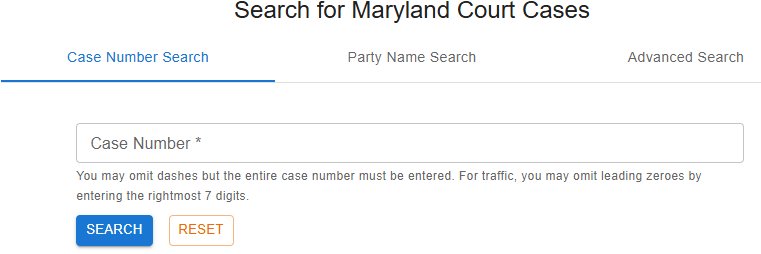
Court records in Howard County are managed through a structured system under the Maryland Judiciary, where case details are maintained for civil, criminal, and family matters. The main platform used for court records access Howard County is the official Maryland Judiciary Case Search system, which provides summaries of court filings, docket updates, and hearing details. This system works as a court database search system that allows users to find case information using names, case numbers, or filing dates. It supports case search Howard County court activities by organizing records in a standardized format. The system is designed for transparency and public reference, while sensitive records like juvenile or sealed cases remain restricted under Maryland rules.
Official site: http://casesearch.courts.state.md.us/casesearch/
Online Case Search Process
The online system is the fastest method for finding court information in Howard County. It is widely used for quick case lookup and status checks. This process supports quick case lookup process without visiting the courthouse. It helps users track hearings, confirm case status, and review basic judicial records verification details.
- Open the official site: http://casesearch.courts.state.md.us/casesearch/
- Accept the terms and conditions on the homepage
- Choose search type: Person Name or Business Name or Case Number
- Enter full name or case number in the search field
- Select Howard County from the jurisdiction list
- Apply filters such as case type or filing date (optional)
- View results showing case summary and docket entries
- Open a case to check hearings, filings, and updates
In-Person Court Record Retrieval Process
In-person requests are used when certified copies or complete case files are required. The clerk’s office maintains physical archives and official records that may not appear fully online. This method supports public legal records Maryland access for legal professionals, researchers, and official purposes. It also helps confirm details that may require verified documentation from the clerk office.
Steps for in-person record access:
- Visit Howard County Circuit Court Clerk’s Office
- Provide case details such as name or case number
- Request specific documents or full case file
- Submit request form for certified copies if needed
- Pay applicable copying or certification fees
- Receive printed or certified legal records
Legal Filing and Document Submission System in Clerk Office
Legal filings in Howard County follow a structured process managed by the Clerk of Circuit Court, where civil, criminal, and administrative documents are submitted, reviewed, and officially registered. The case filing court system operates under Maryland judicial rules that govern how records enter the court system. Each document follows a defined workflow from submission to final registration. Filings may be completed in person or through electronic filing systems. Clerks verify completeness, formatting, case type, and party details before acceptance. Once approved, documents receive a case number and are added to the official court record system for accurate tracking and future reference.
Court Filing Workflow and Verification Process
The court filing workflow in Howard County follows a step-by-step structure that ensures all legal documents meet required standards before becoming part of the official record. This workflow is designed to support accurate processing and reduce administrative errors. This process supports structured case filing court system operations and ensures every filing follows Maryland court standards. It also helps maintain consistency in document handling across different case categories.
- Submission of legal documents at clerk office or online system
- Initial review for required information and formatting
- Verification of case type and jurisdiction details
- Assignment of case number for identification
- Entry into official court database system
- Final approval and registration in legal records
Electronic Filing System and Compliance Controls
The electronic filing system plays a major role in modern legal submissions in Howard County. It allows attorneys and authorized users to submit documents digitally, reducing manual processing time. The system follows strict compliance rules to maintain data accuracy and legal validity. This system strengthens legal paperwork registration by reducing errors and improving processing speed. It also supports judicial accuracy by maintaining a consistent record trail for all submitted documents. Together, physical and electronic filing systems ensure that legal filings Howard County are handled with structured control, verified accuracy, and reliable record management across all court operations.
- Secure upload of legal documents through online portal
- Automated validation of required fields and attachments
- Digital timestamp for submission tracking
- System-generated acknowledgment for filed documents
- Integration with court database search system for record updates
Public Service Desk and Citizen Assistance Functions
Court clerk services Howard County include a structured public service desk that assists citizens with legal forms, record requests, and general court inquiries. The clerk office Howard County MD serves as a central point for guidance on court procedures, filing requirements, and document preparation without offering legal advice. It also supports case search Howard County MD functions for users trying to locate case information and updates within the system. It helps reduce confusion and supports proper submission of documents for various case types. Citizen court support services ensure clear communication between the public and the court system. Staff help locate forms, explain filing steps, guide users to correct departments, and assist with case status, records, and fees for accurate procedural direction.
Services Provided at the Public Service Desk
The public service desk handles multiple daily functions that support smooth court interaction for citizens and legal representatives. These services help users understand court requirements without confusion and support proper handling of legal documents within Howard County court systems.
- Assistance with court forms and filing instructions
- Guidance on civil, criminal, and family case procedures
- Support for record-related inquiries and requests
- Information on filing fees and payment procedures
- Direction to appropriate court departments
- Help with case status questions and updates
- General support for courthouse visit procedures
Citizen Support and Court Communication System
The clerk office maintains a structured communication system to manage public interaction efficiently. This system ensures that citizens receive consistent information related to court processes and records. This setup strengthens citizen court support services by improving access to reliable information and reducing procedural errors during filing or record requests. It also supports smooth interaction between the public and court administration Howard County processes, helping maintain organized service delivery across all clerk office functions.
- Front desk inquiry handling for walk-in visitors
- Phone and in-person support for case questions
- Referral to online court record systems when needed
- Assistance with certified document requests
- Guidance for electronic filing system usage
- Coordination with internal court departments
Court Fees, Processing Duration, and Payment System
Court filing fees Howard County are structured based on case type, document category, and required court action. Civil, criminal, and administrative filings each follow a fixed legal service charges schedule set under Maryland court rules. Payments are recorded through a secure payment processing system that links every transaction directly to a case file. This helps maintain financial accuracy and supports proper case tracking within the court filing system. The case filing court system also confirms payment before accepting documents for final registration.
Document Processing Timeline and Fee Handling
The document processing timeline in Howard County varies based on case type, document complexity, and verification requirements. Simple filings may be recorded within a short period, while complex legal submissions can take longer due to additional review steps. The clerk office reviews each document for compliance before final registration in the court record system. Legal processing time depends on workload, case category, and accuracy of submitted documents. The court ensures that every filing meets procedural requirements before entering official records, which helps maintain reliable legal documentation across Howard County. This structured approach supports consistent handling of court filings, accurate fee management, and organized case tracking within the judicial system.
- Standard filings are processed in a short administrative cycle
- Certified documents may require additional verification time
- Complex civil or family cases follow extended review stages
- Payment confirmation is required before final case registration
- Electronic submissions often process faster than paper filings
- Rejected filings return for correction before acceptance
| Category | Court Filing Fees Howard County (USD) | Legal Processing Time |
|---|---|---|
| Civil Case Filing | $165 – $320 | 3–10 business days |
| Criminal Filing | No standard filing fee (only related costs may apply) | 2–7 business days |
| Family Case Filing | $165 – $255 | 5–12 business days |
| Certified Copies | $5 – $10 per page/document set | 1–3 business days |
| Motions / Amendments | $20 – $75 | 2–5 business days |
Court Administrative Structure and Operational Workflow
Court administration Howard County operates through a structured legal system that coordinates judges, clerks, attorneys, and support staff. It manages case filings, hearings, records, and public services in an organized workflow. Each department in the clerk office has defined responsibilities that support civil, criminal, family, and administrative matters. The system ensures cases move smoothly from filing to final resolution with proper documentation at every stage. Internal units such as recordkeeping, filing divisions, public service desks, and courtroom teams work together. Judges depend on accurate records, while attorneys rely on timely updates. The system follows Maryland judicial rules for consistent case processing.
Internal Court Workflow and Department Coordination
The internal workflow in Howard County courts follows a step-by-step process that keeps all departments aligned and ensures efficient case handling. Each stage is monitored for accuracy and record integrity. This workflow supports structured movement of cases through the judicial system while maintaining accuracy in documentation and scheduling.
- Case filing and initial intake at clerk office
- Document verification and legal compliance review
- Case assignment and docket scheduling
- Coordination with judges for hearings and rulings
- Record updates and case status tracking
- Final storage in official court record system
Record Maintenance and Administrative Efficiency
Record maintenance is a core part of court administration Howard County operations. The clerk office manages both physical and electronic records to ensure long-term accuracy and accessibility. This system improves administrative efficiency by reducing duplication, maintaining consistent data entry, and supporting reliable access to legal records. It also strengthens overall court operational management by ensuring that every case is properly documented, tracked, and maintained within the judicial system.
- Digital case database for quick retrieval of records
- Physical archives for certified legal documents
- Regular updates to case status and docket entries
- Secure storage systems for sensitive legal information
- Coordination between departments for record verification
Location and Official Contact Information
Howard County Clerk of Court location refers to the official courthouse facility where court records, filings, and administrative services are managed in Maryland. The office is located within the Howard County Circuit Courthouse, which serves as the central judicial building for county-level legal operations. This site handles case filings, certified documents, and record requests under a structured system. Courthouse address details are used by visitors who need in-person support for legal paperwork, case updates, or record verification services.
Office Location and Visiting Details
The contact clerk office Maryland system allows the public to connect through phone, in-person visits, and written communication. The clerk office visiting hours follow the standard courthouse schedule and may vary on holidays or court events. This public office contact system supports inquiries related to case status, filing procedures, and document availability. It helps ensure smooth communication between citizens, attorneys, and court staff under court administration Howard County services.
- Office Name: Howard County Circuit Court Clerk’s Office
- Building: Howard County Circuit Courthouse
- Address: 9250 Judicial Way, Ellicott City, MD 21043, United States
- Main Contact Number: +1 (410) 313-2111
- Working Hours: Monday to Friday (standard courthouse schedule, excluding public holidays)
- Service Area: Civil, criminal, family, and probate case administration
Frequently Asked Questions
This section addresses common questions related to court clerk services Howard County, helping users understand how court records, filing procedures, and public assistance systems operate. It explains practical concerns such as record search methods, service availability, filing steps, and access limitations under Maryland law. Each answer is structured to support clarity and ease of use for citizens, attorneys, and researchers who interact with the clerk office. The information focuses on real procedural functions within court administration Howard County, ensuring users can better understand how legal processes and record systems work in daily court operations.
How can court records be checked in Howard County?
Court clerk services Howard County allow users to check records through the Maryland Judiciary case search system or by visiting the clerk office. Searches can be done using a name, case number, or filing date. The system shows case summaries, docket entries, and basic hearing details, while restricted or sealed records are not publicly available under Maryland rules. Users can filter results to narrow down specific cases more efficiently. The system is updated regularly to reflect new filings and case progress. It also helps users verify case status without visiting the courthouse physically.
What services does the clerk office provide?
The clerk office handles legal document filing, certified copies, case record maintenance, and docket updates for civil, criminal, and family matters. It also supports public court assistance details for people who need help with forms or filing steps. These services help keep court procedures organized and ensure proper handling of legal documentation. The office also assists with record requests and payment processing for certified documents. Staff help guide users to the correct department based on their needs. This structure supports smooth communication between the public and court system.
How does the filing process work?
The filing process explanation starts with submitting documents at the clerk office or through an electronic filing system. After submission, documents are reviewed for accuracy and legal compliance. Once verified, a case number is assigned and the filing is entered into the official court system. This process helps maintain consistency in all legal records. If errors are found, documents may be returned for correction before acceptance. Electronic submissions often move faster due to automated validation steps. Each filing is tracked to ensure proper documentation flow within the court system.
Are all court records available to the public?
Court record availability is limited in some cases. Most civil, criminal, and family case summaries can be viewed by the public, but sealed, juvenile, or sensitive records are restricted under Maryland law. Certified copies may require formal requests and applicable fees through the clerk office. Some records may also require identification or written authorization for release. Public access rules are designed to balance transparency with privacy protection. Users can still view basic docket information for most active cases. The system ensures controlled access based on legal guidelines.
How can people get help with court procedures?
Help is available through the clerk office front desk, phone support, and official online systems. Staff assist with forms, filing instructions, and record-related questions. However, they do not provide legal advice. This system ensures clear communication between the public and court administration Howard County services. Visitors can also request guidance on document requirements before filing. Online resources provide additional instructions for common procedures. Support channels are designed to reduce confusion and improve filing accuracy for users.