Howard County District Court operates under the Maryland District Court framework and focuses on handling day-to-day legal proceedings within Howard County. It processes cases involving traffic citations, landlord-tenant disputes, and misdemeanor offenses through structured hearing schedules and court docket systems. This court plays a key role in managing case flow at the local level, where disputes do not require higher circuit court involvement. Residents often interact with this court for issues that demand formal legal review but remain within lower jurisdiction limits. The system supports orderly case listing, hearing dates, and judicial review for quicker handling of routine legal matters.
The court also acts as a central point for civil claims and minor criminal matters in Howard County. It connects residents with legal procedures such as filing cases, attending hearings, and responding to citations under Maryland law. Terms like court docket search, hearing schedule, traffic case resolution, civil claim processing, and misdemeanor hearings are commonly associated with its operations. Through this structure, the district court maintains organized case flow and supports faster resolution of local disputes while keeping legal procedures accessible to the community.
What Is Howard County District Court
Howard County District Court is a local trial court in Maryland that handles lower-level civil and criminal matters within howard county court It functions under the Maryland District Court system and follows state legal procedures for routine cases. This court deals with traffic violations, small civil disputes, and misdemeanor offenses that do not require jury trials. It provides structured hearings, scheduled dockets, and formal rulings for everyday legal issues. Residents rely on it for quick case processing, basic dispute resolution, and initial judicial review of minor legal matters under state authority.
Case Types and Court Role
Howard County District Court handles a wide range of lower-level cases that fall under Maryland law jurisdiction. These include traffic violations, minor criminal offenses, and small civil claims between residents or businesses. The court also reviews landlord tenant disputes and protective order requests when safety or property issues arise. Its role focuses on resolving matters without complex trials, using scheduled hearings and clear procedures. By managing these cases locally, it reduces pressure on higher courts and supports faster legal resolutions for everyday disputes in the county system efficiently under law.
- Traffic violations and citations
- Misdemeanor criminal charges
- Small civil claims
- Landlord tenant disputes
- Protective order filings
How to Search Cases and Court Information
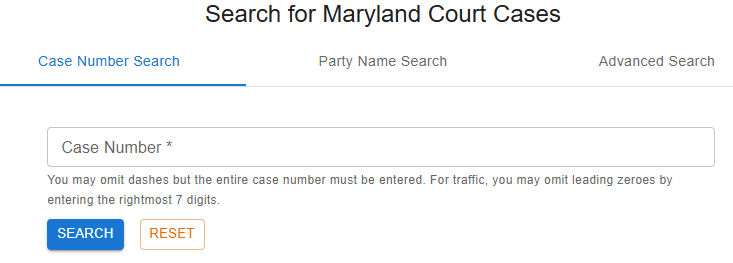
Howard County case records are searched through the Maryland Judiciary Case Search system, which provides public court information for District and Circuit Courts across Maryland. This platform lists traffic citations, civil cases, and criminal records in summary form. It shows case numbers, party names, hearing dates, and case status. It does not replace full court files, which remain at the courthouse clerk’s office. The system supports public transparency and allows quick verification of court activity without visiting the courthouse physically.
Official website: https://casesearch.courts.state.md.us
Open the official Case Search site
- Visit Official website: https://casesearch.courts.state.md.us and load the homepage.
- The system requires acceptance of a disclaimer before continuing.
Accept the terms
- Click “I Agree” to enter the search portal.
- This step confirms public record access rules under Maryland court policy.
Select search type
Choose one of the following options:
- Person name search
- Business or company search
- Case number search
- Citation search
Enter search details
Input accurate information such as:
- Full or partial party name
- Case number (if available)
- Traffic citation number
- Court type (District or Circuit)
Apply filters
Refine results using filters like:
- County (Howard County)
- Filing date range
- Case type (traffic, civil, criminal)
View case results
The system displays matching records with:
- Case status
- Hearing dates
- Charges or claim type
- Court location
Jurisdiction and Legal Authority of the District Court
Howard County District Court works under the statewide system of the Maryland District Court Maryland District Court and handles cases that fall within limited jurisdiction. It focuses on everyday legal matters such as traffic violations, minor criminal offenses, and small civil disputes. The court provides structured hearings without jury trials and follows Maryland state law for quick case processing. It serves as the first judicial level for many residents before matters move to higher courts. Its authority stays restricted to lower-level cases only, keeping complex legal disputes outside its scope. This structure helps maintain order in routine legal processing across the county system.
Types of Cases Handled by the District Court
The court manages specific categories of cases defined under Maryland law. These cases are generally simple in nature and do not require long trials. Hearings are scheduled in a structured format, and decisions are made based on evidence presented at the district level. This helps reduce delays and keeps routine legal matters organized within the county court system. It also allows faster handling of day-to-day disputes without complex procedures or extended court time.
- Traffic violations and citations
- Misdemeanor criminal charges
- Small civil claims
- Landlord tenant disputes
- Protective order requests
Civil Case Limits and Monetary Jurisdiction
District courts in Maryland have strict financial limits for civil disputes. These limits define which cases can be heard locally and which must move to circuit courts. Civil claims usually involve smaller amounts and simpler disputes between individuals or businesses. This structure ensures that only lower-value disputes remain within district court authority. It also reduces pressure on higher courts and keeps civil case handling more efficient for residents.
- Small claims fall under fixed monetary caps set by state law
- Property and contract disputes must stay within district limits
- Higher-value claims are transferred to circuit courts
- Simplified procedures apply to minor financial cases
Restrictions on Jury Trials and Serious Crimes
Howard County District Court does not conduct jury trials under any condition. It also does not hear felony cases, which are reserved for higher courts. The focus stays on bench hearings where a judge makes the final decision. Serious criminal matters and jury-based trials are handled at the circuit court level, which has broader judicial authority and procedural depth. This separation ensures clear division of responsibility within the state court system.
- No jury trials allowed
- No felony-level criminal cases
- Judge-only decisions for all hearings
- Limited sentencing authority for minor offenses
Comparison with Circuit Courts
District courts and circuit courts serve different roles within Maryland’s judicial system. District courts handle lower-level matters, while Maryland circuit court manages complex cases and appeals. This separation ensures that cases are processed based on severity and complexity, keeping the judicial system structured and efficient across Maryland counties. It also helps prevent delays by distributing workload appropriately between court levels.
- District courts handle minor offenses and small claims
- Circuit courts handle serious crimes and major civil disputes
- Jury trials exist only in circuit courts
- Appeals from district courts go to circuit courts
Case Categories in Howard County District Court
Howard County District Court handles specific groups of lower-level legal matters under Maryland law Maryland District Court, focusing on traffic cases, minor crimes, civil disputes, and landlord-tenant issues. Each category follows a structured hearing process based on case type and legal severity. The court organizes these matters through scheduled dockets and judge-led hearings. It does not involve jury trials or high-level felony cases. Instead, it focuses on quick resolution of routine disputes and enforcement of state rules at the local level within Howard County judicial boundaries.
Traffic and Moving Violations
Traffic-related cases form one of the most common categories in district court. These matters involve violations of Maryland road laws and driving regulations. These cases are usually handled through scheduled hearings where drivers respond to citations. Penalties may include fines, license points, or court orders depending on severity. The process stays straightforward and focuses on road safety enforcement rather than complex legal procedures.
- Speeding and road safety violations
- DUI and reckless driving charges
- Parking and signal violations
- Traffic ticket issuance and penalties
Misdemeanor Criminal
Misdemeanor cases involve minor criminal offenses that do not qualify as felonies. These cases are heard by a judge without a jury. The court reviews evidence, police reports, and statements before issuing a ruling. Sentences may include fines, probation, or short-term penalties. These cases remain limited in scope and are processed through structured hearings to maintain order in the local justice system.
- Minor assault and disorderly conduct
- Petty theft and shoplifting cases
- Public disturbance and minor offenses
- Low-level criminal charge hearings
Civil Disputes
Civil cases in district court usually involve financial disagreements between individuals, businesses, or organizations. These cases follow simplified procedures for faster resolution. The court evaluates documents, testimony, and supporting evidence before making a decision. Monetary limits apply, which keep cases within district court authority. This system helps resolve lower-value disputes without requiring complex litigation.
- Contract disputes and payment claims
- Small claims filing procedures
- Property damage compensation cases
- Debt recovery and minor disputes
Landlord and Tenant Disputes
Landlord-tenant cases are commonly handled in district court and focus on rental agreements and housing issues. These cases often involve urgent hearings due to housing concerns. Judges review lease terms, payment records, and notices before issuing rulings. The process aims to balance property rights and tenant protections under Maryland housing laws while keeping disputes legally structured and time-sensitive.
- Eviction filings for lease violations
- Rent payment disputes
- Lease agreement breaches
- Tenant rights and property conditions
Court Scheduling System in Howard County District Court
Howard County District Court follows a fixed scheduling system under Maryland court procedures Maryland District Court where hearing dates are assigned based on case type, workload, and urgency. Each case is placed into a structured docket that organizes daily court activity. Traffic matters, civil disputes, and misdemeanor cases are scheduled separately to avoid overlap and delays. The system keeps courtroom sessions organized and helps ensure each case receives proper time for review without confusion or unnecessary waiting in the legal process.
Typical Court Schedule Structure
This structured scheduling format helps distribute cases evenly throughout the day. It also reduces courtroom congestion and allows judges to manage hearings in an orderly sequence based on case category and complexity.
| Case Type | Usual Timing | Session Length | Priority Level |
|---|---|---|---|
| Traffic Violations | Morning slots | Short hearings | High volume |
| Civil Cases | Mid-day sessions | Moderate duration | Standard |
| Misdemeanors | Afternoon blocks | Longer hearings | Case-sensitive |
| Small Claims | Mixed schedule | Variable time | Low to medium |
| Urgent Matters | Special slots | As required | High priority |
Hearing Attendance and Rescheduling Process
All involved parties must attend their assigned hearing dates unless the court approves a change. Attendance is required for both plaintiffs and defendants, as hearings proceed based on direct presentation of facts and evidence. Failure to appear may lead to default decisions or case dismissal depending on the situation. Legal representatives may attend on behalf of parties when permitted. Rescheduling is allowed under specific conditions such as emergencies, conflicts, or legal requests. A formal request must be submitted to the court for approval. Once accepted, a new hearing date is assigned and updated in the official docket system. This process ensures fairness while keeping case flow organized within the court schedule.
Traffic Violation Handling Procedure
Traffic violations in Howard County are handled through the district court system under Maryland rules Maryland District Court, where drivers receive citations for road and safety infractions. Each citation lists the alleged violation, fine amount, and response options. The process begins when a law enforcement officer issues a ticket. The driver must then respond within the stated deadline. This response determines whether the case moves toward payment, a court hearing, or contesting the violation in front of a judge. The court then schedules proceedings if the ticket is disputed. Failure to respond can result in additional penalties or license consequences.
Payment Options, Hearings, and Case Outcomes
After receiving a citation, drivers can choose how to respond based on the severity of the violation and personal decision. Common options include paying the fine, requesting a court hearing, or contesting the charge. If the driver pays, the case usually closes with penalties recorded on the driving record. If contested, a judge reviews evidence from both sides during a hearing. Possible outcomes include fines, license points, probation requirements, or dismissal if evidence is insufficient. This structured process helps ensure fair handling of traffic-related legal matters while maintaining road safety enforcement standards.
- Paying the fine before the due date
- Requesting a court hearing to contest charges
- Appearing before a judge for defense
- Reviewing evidence and officer statements during hearing
Case Progression Within the District Court System
Case progression in Howard County District Court starts when a legal matter is formally filed or a citation is issued under Maryland law Maryland District Court. This step sets the case into motion within the court system. The filing includes complaint details, party information, and supporting documents. Once registered, the court assigns a case number and schedules initial actions. This stage marks the official entry of a dispute into the judicial process and prepares it for structured review through hearings and documentation checks. It also creates a formal record that tracks every step of the case. Early classification helps the court route the matter to the correct hearing track. At this point, court clerks verify basic details for accuracy. Any missing information may delay the next stage until corrected.
Evidence Review and Hearing Process
After initiation, both parties submit evidence such as documents, witness statements, and records for judicial review. The court evaluates all materials before moving to hearings. During hearings, the judge reviews facts, listens to both parties, and checks legal relevance of submitted materials. This stage ensures that each side has a fair chance to present its position before any decision is made. Hearings are recorded in official court logs for reference. Procedural rules maintain order during testimony and argument presentation.
- Submission of documents and records
- Review of evidence by court officials
- Scheduled hearings before a judge
- Presentation of arguments from both sides
- Examination of witness statements
Decision-Making and Final Judgment
Once hearings are complete, the judge evaluates all evidence and arguments to reach a final decision. This decision is based on Maryland state law and case facts presented in court. The outcome is officially recorded and becomes legally binding. This step concludes the court’s decision-making phase and defines the legal responsibility of involved parties. Parties receive written notice of the judgment for compliance. The ruling may also set deadlines for payment or corrective action.
- Final ruling issued by the judge
- Possible fines, dismissals, or legal orders
- Written judgment entered into court record
- Case closure or continuation if required
Post-Judgment Actions and Case Follow-Up
After judgment, parties must comply with the court’s orders within the given timeline. Failure to comply can lead to further legal consequences. This stage ensures that the court’s decision is properly executed. It also maintains legal accountability and completes the full case progression cycle within the district court system. Enforcement may involve additional court involvement if obligations are ignored. In some cases, wage garnishment or license actions may be applied under state law.
- Payment of fines or penalties
- Compliance with court orders
- Enforcement actions for non-compliance
- Appeal options in higher courts if allowed
Location and Contact Information
Howard County District Court operates within the Maryland judicial system Maryland District Court and serves residents through its main courthouse facility located in Ellicott City, Maryland. The building is the primary point for hearings, filings, and public services related to district-level cases. Visitors can access court services including traffic matters, civil filings, and misdemeanor hearings at this location. The courthouse is structured to support daily legal operations with designated service counters and public access points for case-related assistance and document submission.
Official Court Address
- Address: 3451 Courthouse Drive Ellicott City, MD 21043, USA
Contact Information
- Phone: 410-480-7700
- Toll-Free : 1-800-944-8107
- TTY (Maryland Relay): 711
- Fax: 410-480-7701
Official Website
- District Court Directory: https://www.courts.state.md.us/district/directories/courtmap#HOWARD
Office Hours
- Monday to Friday: 8:30 AM – 4:30 PM
- Closed on weekends and Maryland state holidays
Frequently Asked Questions
Frequently Asked Questions in Howard County District Court cover common legal concerns related to traffic cases, civil disputes, misdemeanor charges, and landlord-tenant matters. These questions help residents understand how the court system works, what steps are involved in filing or responding to cases, and how hearings are conducted. They also explain basic procedures like appeals, fines, and court decisions. The FAQ section supports clarity for people dealing with legal issues for the first time and provides quick answers to common court-related processes within the Maryland District Court system Maryland District Court.
What types of cases are heard in Howard County District Court?
Howard County District Court handles lower-level legal matters under Maryland law through the Maryland District Court system Maryland District Court. It hears traffic violations, misdemeanor criminal cases, small civil disputes, and landlord-tenant matters. The court also manages protective orders and minor contractual claims within fixed monetary limits. These cases do not involve jury trials and are decided by a judge. The focus stays on quicker resolution of everyday legal issues at the local county level. Case scheduling is organized through structured dockets for smooth hearing flow. Many of these cases are resolved in a single hearing or short court sessions. This helps reduce delays and keeps the system efficient for routine matters.
How are traffic violations processed in Maryland district courts?
Traffic violations begin when a citation is issued by law enforcement. The driver then receives options such as paying the fine or requesting a court hearing. If contested, the case is scheduled before a judge who reviews evidence and officer statements. Outcomes may include fines, points on driving records, or dismissal if evidence is insufficient. Maryland district courts process these cases through structured hearings to ensure road safety laws are properly enforced. Each case is recorded in the official court system for tracking purposes. Drivers must respond within the deadline mentioned on the ticket. Failure to respond may result in additional penalties or license issues.
What is the procedure for civil dispute filing?
Civil disputes are filed by submitting a complaint with supporting documents at the district court clerk’s office. The court assigns a case number and schedules a hearing date. Both parties present evidence, including contracts, receipts, or written statements. The judge reviews all materials before issuing a decision. Civil claims usually involve small financial amounts and follow simplified procedures. This process helps resolve disagreements between individuals or businesses in a structured legal setting. Hearings are conducted without jury involvement for faster resolution. Filing fees may apply depending on case type. Parties are notified through official court summons after registration.
Can misdemeanor cases be appealed to higher courts?
Misdemeanor cases decided in district court can be appealed to the circuit court if a party disagrees with the judgment. The appeal process requires filing within a specific time limit set by Maryland law. The circuit court reviews the case and may hold a new trial or examine the district court record. This system allows higher judicial review while maintaining fairness in lower-level criminal case handling within the state court structure. Appeals must follow strict procedural rules for acceptance. Legal representation is often used during appeals. The higher court may uphold, modify, or reverse the original decision.
How is landlord-tenant conflict resolved in district court?
Landlord-tenant disputes are handled through hearings where both parties present lease agreements, payment records, and evidence of violations. Common cases include eviction filings, rent disputes, and lease breaches. The judge reviews documentation and issues a ruling based on Maryland housing law. Decisions may include eviction orders, rent recovery, or case dismissal. This process provides a legal method for resolving housing conflicts between landlords and tenants at the county level. Hearings are usually scheduled quickly due to housing urgency. Both landlords and tenants must bring proper documentation. Court orders are legally binding and must be followed within set timelines.